

nPOD KQ group: Role of the exocrine pancreas in T1D development
 Type 1 diabetes occurs following the loss of sufficient functional beta-cell mass with resultant lifelong requirement for exogenous insulin to maintain blood glucose levels. While understanding the mechanisms behind beta-cell loss is crucial for understanding the pathogenesis of T1D, the potential direct or indirect roles of the exocrine pancreas remain understudied. This working group will focus on understanding mechanisms by which the exocrine pancreas could impact beta-cell health using robust T1D models that will interrogate morphological, cellular, and molecular alterations. Anyone with an interest in this area is welcomed and encouraged to participate.
Leaders
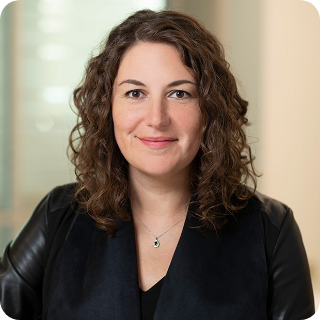
Dr. Teresa Mastracci
Indiana University Indianapolis, USA
Dr. Teresa Mastracci is an associate professor in the Department of Biology at Indiana University Indianapolis. In 2017 she was named one of the top Ten Under 40 up & coming stars in Biopharma Research and Business by Genetic Engineering News and was recognized as one of the Indianapolis Business Journal’s Forty Under 40. She combines her interests in developmental biology and human disease by studying how cellular crosstalk between the exocrine and endocrine pancreas can influence organ development and function. In addition to the discovery of a new monogenic disease, recent publications from her lab have uncovered a regulatory role for mRNA translation in exocrine pancreas growth, beta cell maturation, and neuronal function.
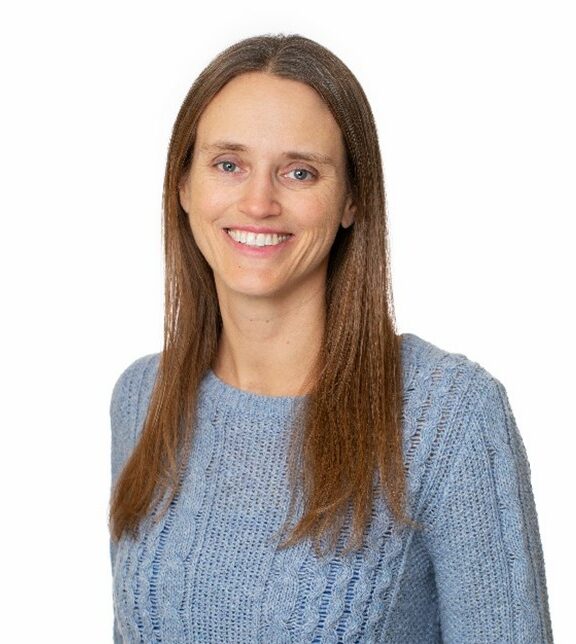
Dr. Melena Bellin
University of Minnesota, USA
Dr. Melena Bellin is a physician-scientist and tenured Professor in the Department of Pediatrics, Division of Endocrinology, and the Department of Surgery at the University of Minnesota. Her research focuses on pancreatitis and on cell therapy for patients with type 1 diabetes and surgical diabetes. She has been an innovator in the field of total pancreatectomy with islet autotransplantation (TPIAT), including leading 4 randomized clinical trials of novel therapies to improve islet engraftment after TPIAT, defining long-term outcomes after TPIAT, and advancing TPIAT as a treatment option for children with hereditary pancreatitis. She is a site PI for the University of Minnesota in the Chronic Pancreatitis Diabetes Pancreatic Cancer Consortium and the Type 1 Diabetes Acute Pancreatitis Consortium which she also Co-Chairs. She has been the PI on 4-R01 and 2- U01 grants focused on TPIAT or pancreatitis. She has also been an Investigator in multiple clinical trials of alloislet transplantation for type 1 diabetes, including the Clinical Islet Transplant Consortium studies, and in novel phase I/II studies of stem cell-derived islet products. She has approximately 200 peer-reviewed publications in the field